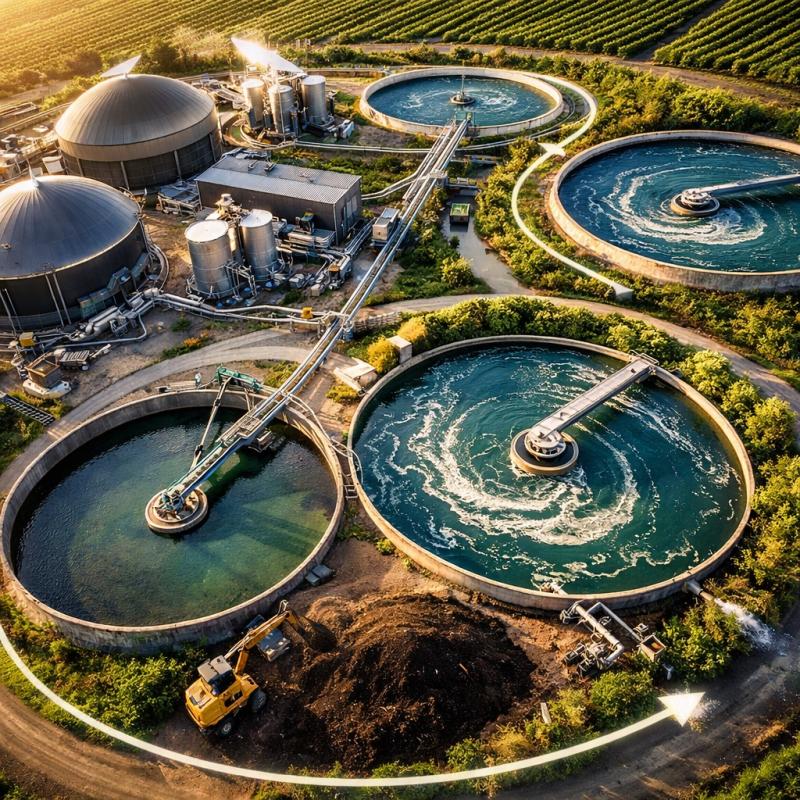
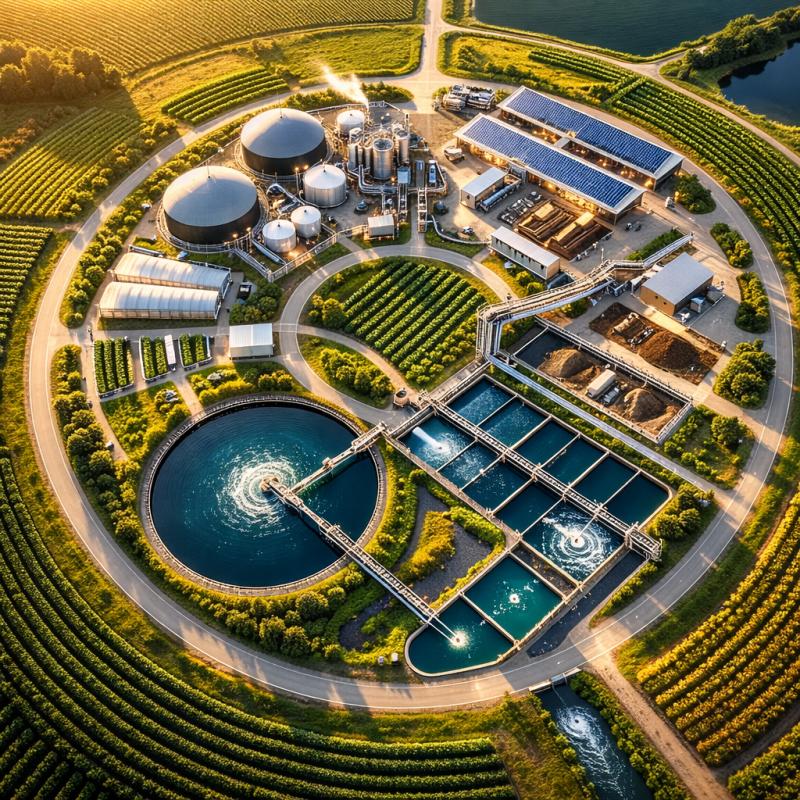
Sustainable dairy infrastructure is becoming a focal point for investors seeking long-term resilience, predictable output, and alignment with evolving environmental and food-production standards. While much of the public conversation centers on end products, the real opportunity lies further upstream – in the systems that enable dairy operations to perform consistently across climate, regulatory, and economic cycles.
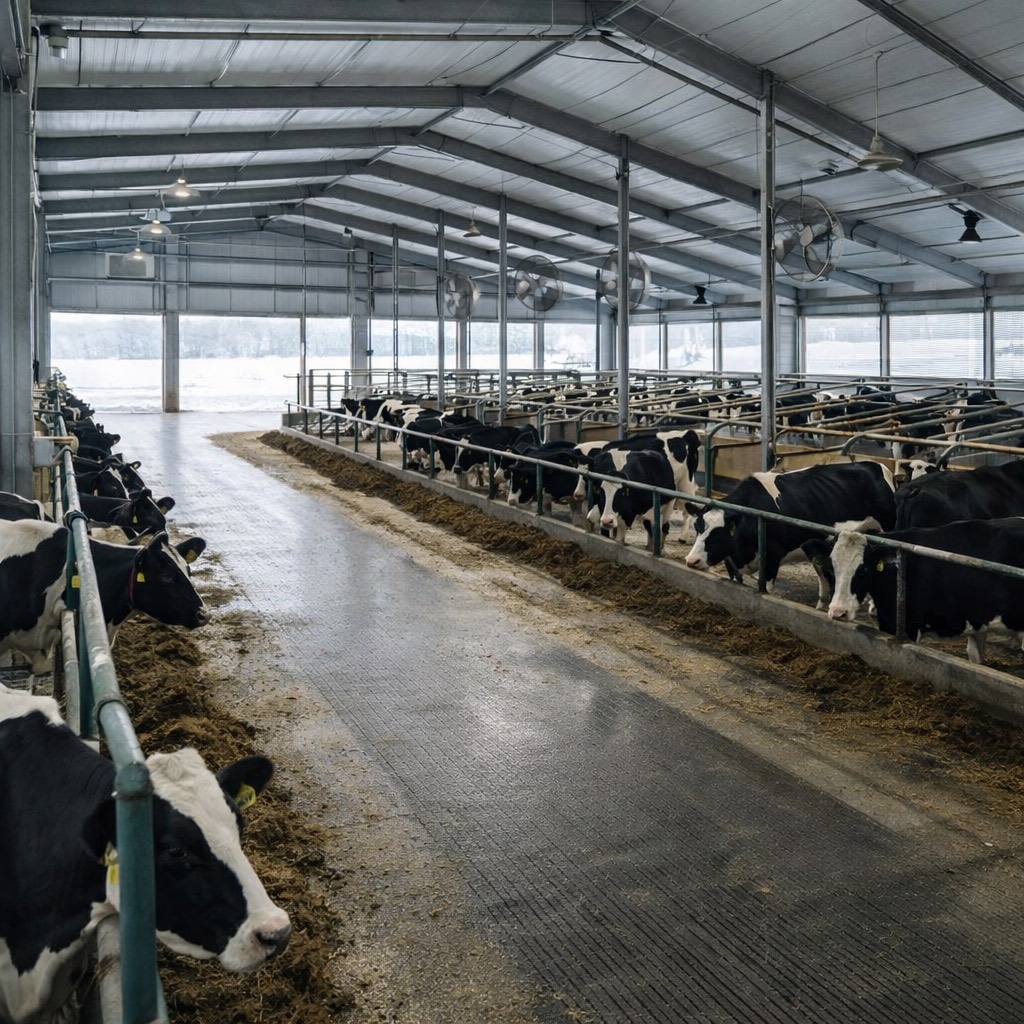
Dairy remains one of the most infrastructure-intensive segments of global food production. Barn environments, waste handling, temperature control, and nutrient management all directly influence animal health, productivity, and operating costs. As pressure increases on producers to reduce emissions, improve animal welfare, and stabilize margins, investment attention is shifting toward solutions that address these variables at the systems level rather than through incremental operational changes.
This shift is particularly relevant to the cheese industry. Cheese production depends on reliable, high-quality milk supply, which in turn depends on stable dairy operations. Infrastructure that supports consistent animal comfort, waste control, and environmental balance creates downstream benefits – improved milk quality, reduced volatility, and greater predictability for processors and investors alike.
From an investment perspective, this reframes sustainability. It is no longer viewed solely as a compliance or branding exercise, but as a form of risk management and performance optimization. Systems that have demonstrated durability in real-world dairy environments provide a stronger foundation for capital deployment than short-term solutions or untested approaches.
As the dairy and cheese sectors continue to evolve, opportunities increasingly favor technologies and infrastructure designed to operate over decades, not seasons. Investors who understand this distinction are better positioned to evaluate where sustainable food production is headed – and where durable value is likely to be created.
Start the conversation
Start the conversation – reach out to our team to learn more.