Agri-food has long been viewed as a high-risk investment category. Exposure to weather volatility, fluctuating input costs, regulatory pressure, and inconsistent yields has historically made the sector difficult to model with confidence. While global demand for food continues to rise, traditional production systems have struggled to deliver the predictability institutional investors require.
This perception is beginning to shift. Advances in climate and enviro-tech, combined with integrated system design, are redefining how agricultural risk is managed. Enviro.Farm represents a new category of agri-food investment – one that approaches production as engineered infrastructure rather than weather-dependent output.
From Exposure to Control
Traditional agriculture operates with significant exposure to external variables. Drought, flooding, soil degradation, and input cost volatility can all impact performance. These risks are often managed reactively, with limited ability to control outcomes at the system level.
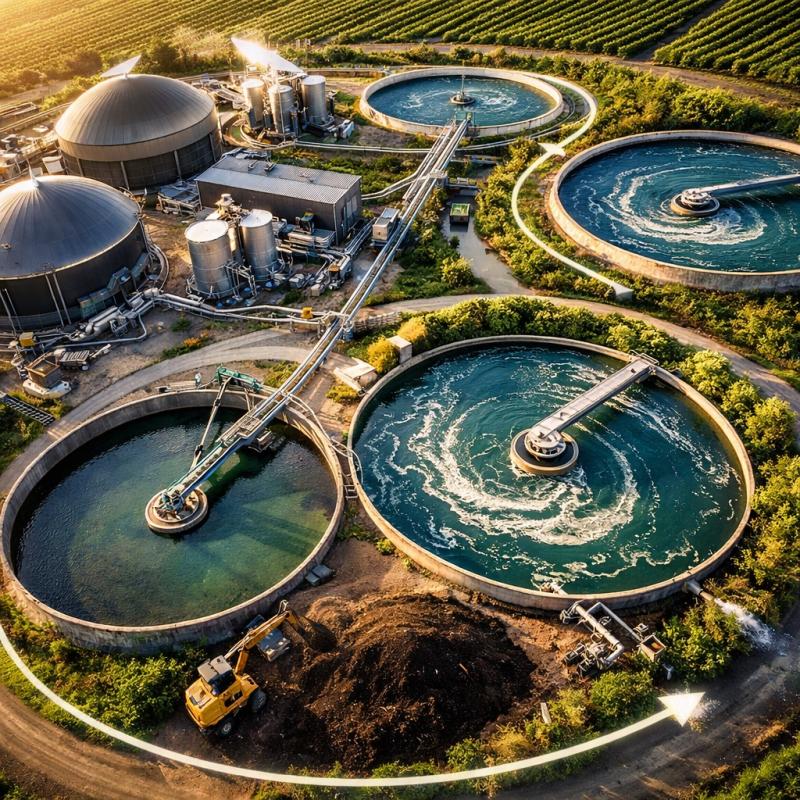
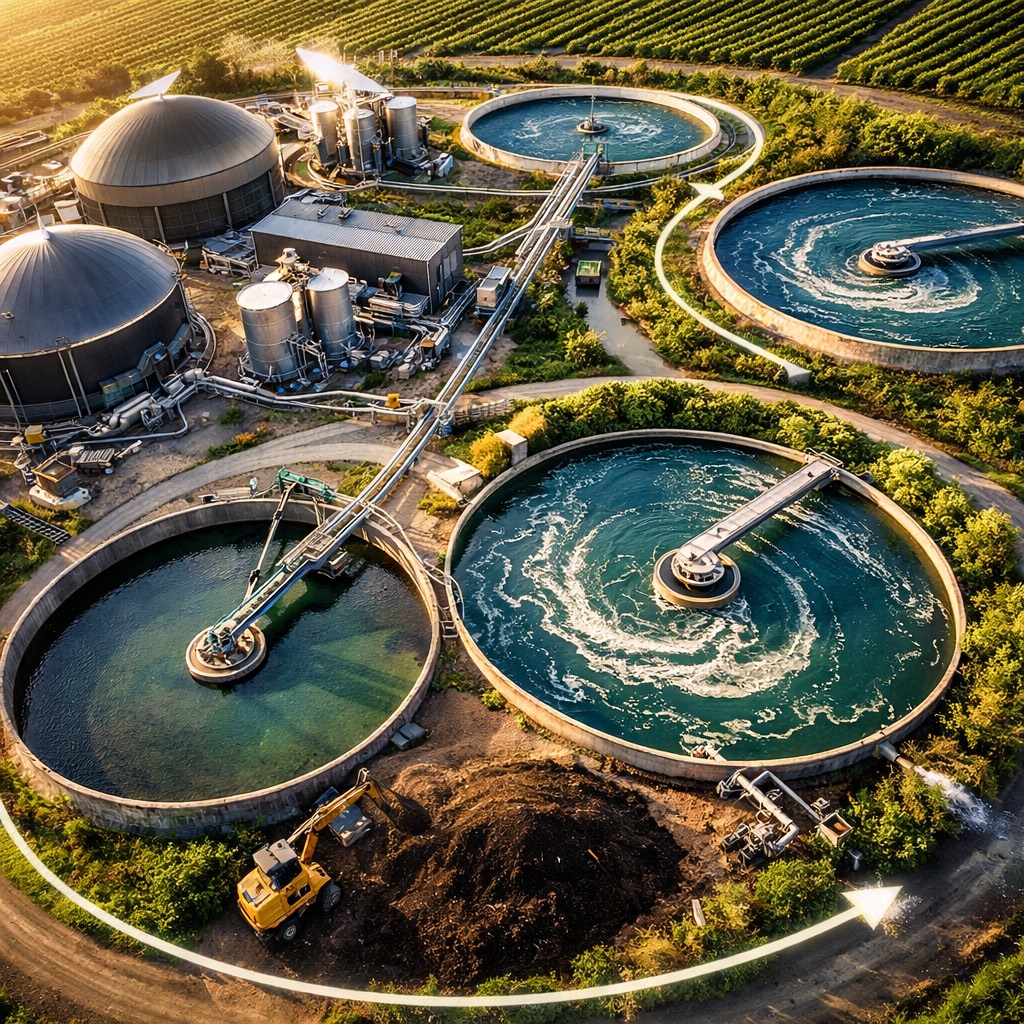
Enviro.Farm’s approach is fundamentally different. By integrating climate and enviro-tech directly into the production model, key variables such as water, nutrients, and emissions are managed within a controlled system. Water is recycled. Nutrients are recovered and reused. Organic inputs are processed within a circular framework rather than lost as waste.
This transition from exposure to control is central to reducing risk.
Methane and Ammonia: From Liability to Managed Variable
Methane and ammonia emissions represent both environmental and financial risk in conventional systems. Methane contributes to climate exposure, while ammonia carries implications for air quality, regulatory compliance, and public health.
In Enviro.Farm’s model, these emissions are not treated as externalities. They are addressed through engineered process design. Organic waste streams are captured and processed, reducing uncontrolled emissions while contributing to productive outputs within the system.
This approach shifts emissions from an unpredictable liability to a managed and measurable variable.
Water Recycling and Climate Resilience
Water availability is one of the most significant constraints facing global agriculture. Drought conditions, groundwater depletion, and extreme weather events are increasing operational uncertainty across regions.
Enviro.Farm addresses this challenge through integrated water recycling systems that reduce dependency on external water sources. By treating and reusing water within the production cycle, the system maintains continuity under conditions that would otherwise disrupt conventional operations.
This level of water control enhances resilience and reduces one of the most significant sources of agricultural risk.
Regenerative Soil as a Stability Mechanism
Soil degradation has been a silent driver of declining productivity in many agricultural regions. In contrast, regenerative soil systems rebuild biological function, improve nutrient availability, and support long-term yield stability.
Enviro.Farm’s model supports soil regeneration by returning recovered nutrients back into the land. This creates a reinforcing cycle in which soil quality improves over time rather than deteriorates.
For investors, this translates into a production base that strengthens rather than erodes – a critical distinction when evaluating long-term asset performance.
Multiple Revenue Streams and Predictability
Conventional agricultural investments often rely on a narrow set of revenue sources, typically tied to commodity pricing. This creates exposure to market fluctuations and limits downside protection.
Enviro.Farm’s circular production model generates multiple revenue streams. These include nutrient-dense food production, recovered fertilizers, water recycling outcomes, and additional environmental value streams. By diversifying outputs within a single integrated system, revenue becomes less dependent on any one variable.
This diversification contributes to greater predictability and a more stable financial profile.
Reframing AgriFood as Infrastructure
At its core, Enviro.Farm’s approach reframes agri-food investment. Instead of viewing agriculture as a seasonal, weather-driven activity, it is structured as a system of managed inputs and controlled outputs.
This shift aligns agri-food more closely with infrastructure investment models – where performance is driven by design, process control, and measurable outcomes rather than external variability.
As climate and enviro-tech continue to advance, this infrastructure-based perspective is likely to play an increasingly important role in how capital is allocated within the sector.
A Different Risk Profile
De-risking agri-food investment does not eliminate complexity, but it changes how that complexity is managed. By integrating emissions control, water recycling, regenerative soil systems, and diversified revenue streams into a single model, Enviro.Farm reduces reliance on variables that have historically driven volatility.
The result is not just improved sustainability performance, but a fundamentally different risk profile – one that aligns more closely with the expectations of long-term, ESG-focused capital.
Call to Action
If you are evaluating agri-food opportunities through a risk-adjusted lens, Enviro.Farm offers a model built on control, integration, and measurable outcomes. Explore how climate and enviro-tech, circular production, and regenerative systems come together to create a more stable investment framework.