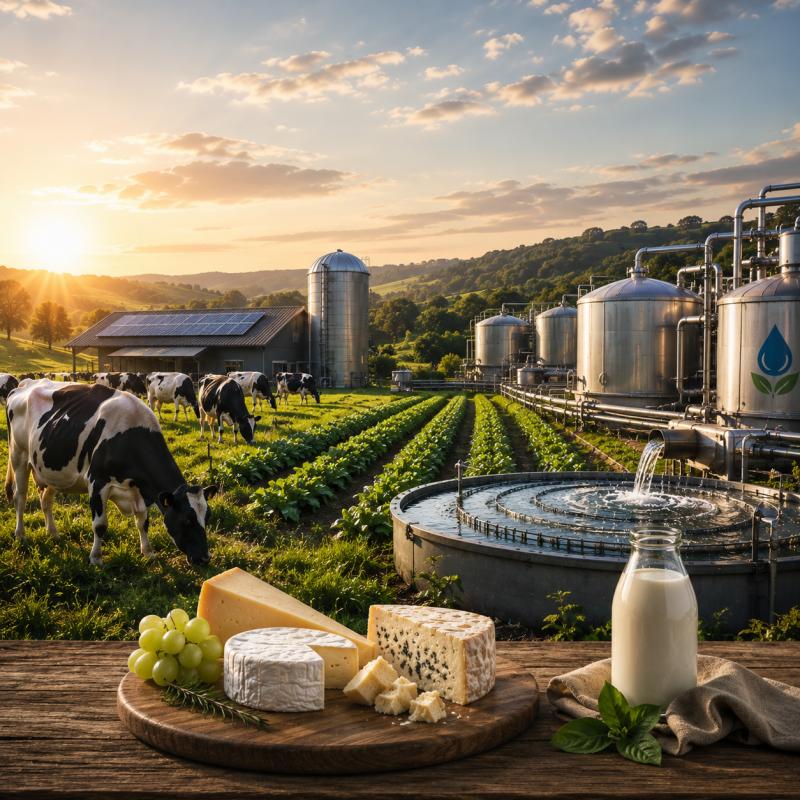
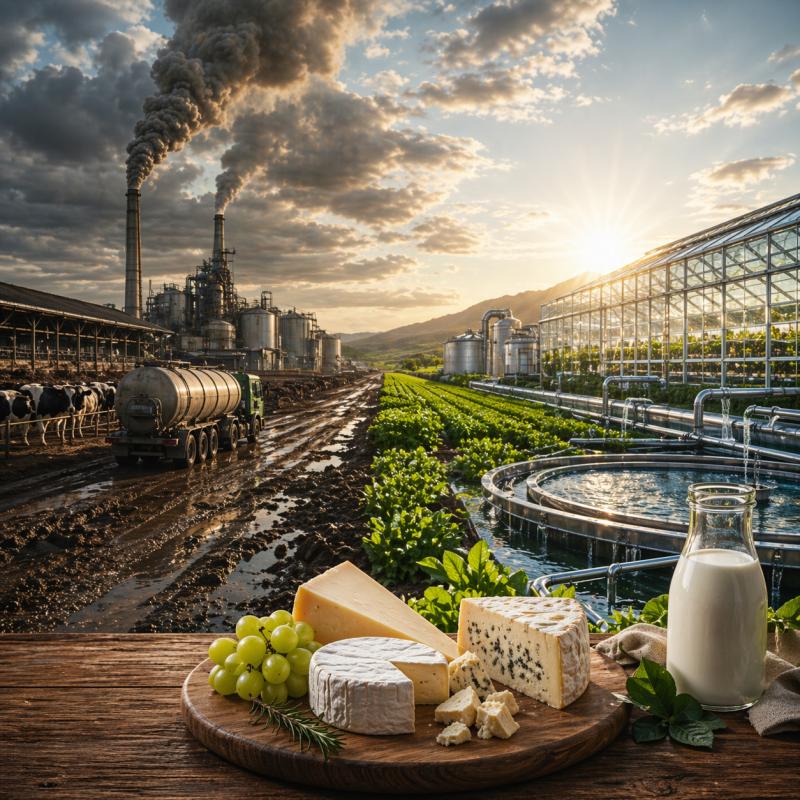
The global specialty cheese market continues to experience strong growth, driven by increasing consumer demand for premium, nutrient-dense food products. Consumers are placing greater value on quality, traceability, sustainability, and health-conscious food choices, creating significant opportunities within the premium dairy sector.
At the same time, specialty dairy producers are facing mounting operational pressures. Rising fertilizer costs, increasing fuel and transportation expenses, tightening environmental regulations, and growing ESG expectations are reshaping the economics of dairy production worldwide.
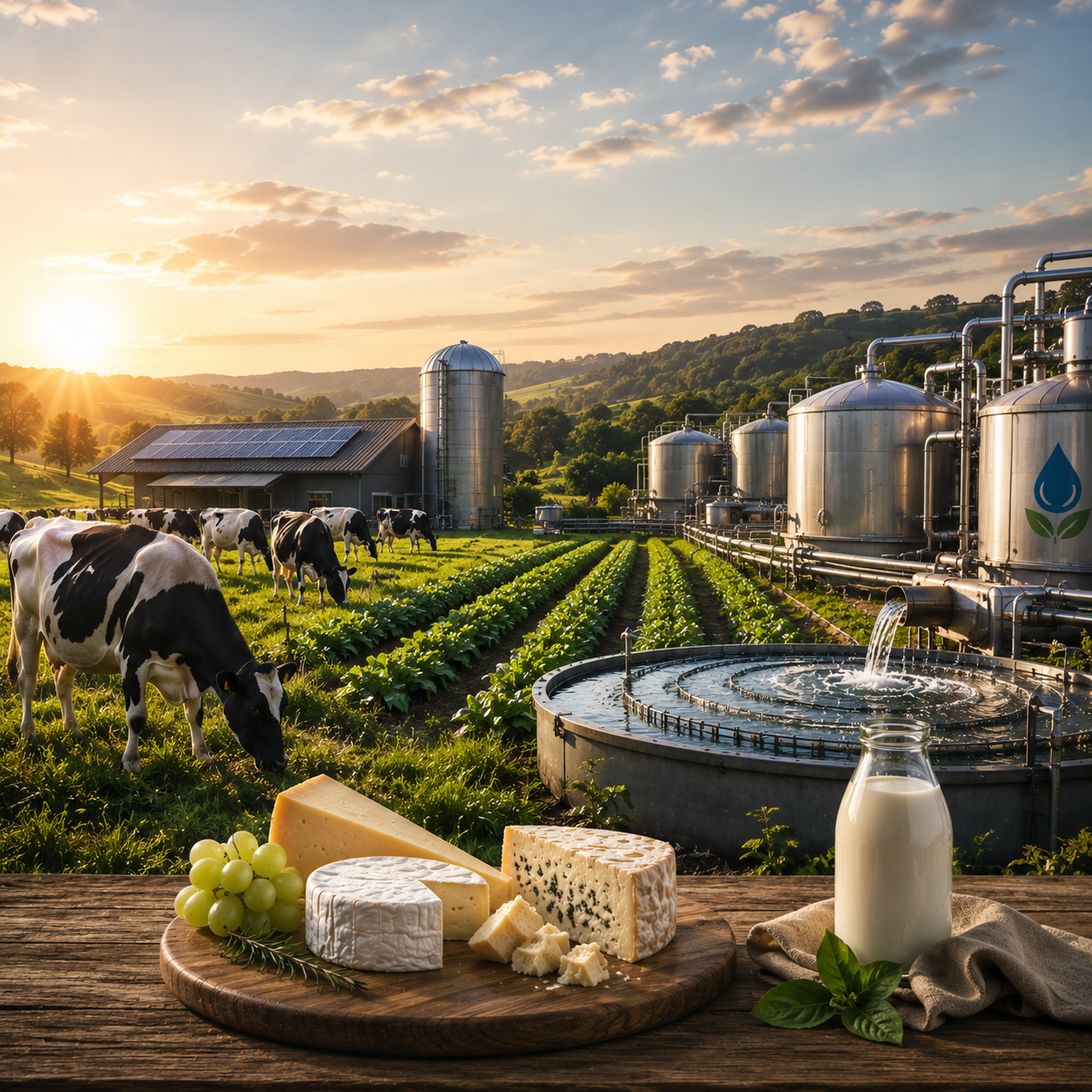
Premium Demand Continues to Grow
Specialty cheese has evolved from a niche market into a major global category. Consumers are increasingly seeking premium products that offer both quality and nutritional value, while retailers and distributors continue expanding shelf space dedicated to artisanal and specialty dairy products.
This shift reflects a broader global trend toward nutrient density, food quality, and sustainable production practices. Premium food categories are no longer driven solely by taste or luxury positioning. Increasingly, consumers want products that align with environmental responsibility, transparency, and long-term health considerations.
The Pressure Behind the Industry
While demand continues to rise, operational costs across the dairy sector are increasing rapidly.
Fertilizer costs have surged in recent years, placing pressure on agricultural production systems that rely heavily on external nutrient inputs. Transportation and fuel costs continue impacting distribution efficiency and profitability. In addition, environmental concerns surrounding methane emissions, ammonia emissions, water usage, and nutrient runoff are creating growing regulatory and operational challenges.
For many producers, these pressures are compressing margins despite strong market demand.
The Shift Toward Regenerative AgriFood Systems
The industry is increasingly recognizing that incremental improvements alone may not be enough to address long-term sustainability and profitability challenges. Instead, attention is shifting toward regenerative AgriFood systems designed to improve efficiency while reducing dependence on volatile external inputs.
Enviro.Farm Systems Inc. represents this emerging category of climate and enviro-tech innovation. Through integrated circular production systems, nutrient recovery processes, regenerative soil practices, water recycling technologies, and AI precision crop feeding systems, the model is designed to address many of the core pressures currently impacting agricultural production.
Rather than operating within a traditional linear production model, circular systems aim to continuously recover and reuse resources internally. This creates opportunities to reduce waste, improve nutrient efficiency, lower environmental impact, and increase long-term operational stability.
Why Investors Are Paying Attention
For investors, the opportunity extends beyond dairy production itself. The larger story involves infrastructure, sustainability, efficiency, and long-term food security.
As ESG considerations continue influencing institutional capital allocation, companies capable of combining environmental responsibility with operational performance are becoming increasingly attractive. Systems designed to reduce methane emissions, regenerate soil, recycle water, improve nutrient utilization, and lower dependency on external fertilizer inputs align closely with the growing focus on sustainable investment models.
At the same time, premium dairy markets continue benefiting from strong consumer demand and higher-value product positioning.
Reframing Agricultural Profitability
Historically, agriculture has often been viewed as vulnerable to volatile commodity pricing, environmental exposure, and unpredictable operational costs. However, emerging regenerative AgriFood systems are beginning to challenge that perception.
By integrating sustainability directly into operational design, companies can potentially improve both resilience and profitability simultaneously. Reduced input dependency, regenerative soil outcomes, improved nutrient efficiency, and diversified revenue opportunities all contribute toward a more stable long-term production model.
This is why sustainable innovation is becoming increasingly important within the specialty dairy sector. The future of premium food production may depend not only on what is produced, but how efficiently and responsibly those systems operate.
Looking Ahead
The specialty cheese market demonstrates that demand for premium, nutrient-dense products remains strong. The challenge facing the industry now is how to meet that demand while managing rising operational costs, environmental pressures, and long-term sustainability expectations.
Regenerative AgriFood systems offer one potential path forward – combining climate and enviro-tech innovation with circular production models designed to improve efficiency, reduce waste, regenerate soil, recycle water, and support long-term profitability.
As global food systems continue evolving, the intersection between premium dairy demand and sustainable production infrastructure may become one of the most important investment conversations in modern agriculture.
Call to Action
Enviro.Farm Systems Inc. continues exploring how regenerative AgriFood infrastructure, nutrient recovery systems, water recycling technologies, and AI precision agriculture can help reshape the future of sustainable food production.